Composting at home is a fantastic way to reduce waste, enrich your garden soil, and support a more sustainable lifestyle. If you’re new to composting, the process might seem a little overwhelming at first, but with the right tips and guidance, you can start composting easily and effectively. This guide will walk you through the basics of home composting, what materials to use, and how to maintain your compost pile for the best results.
What Is Composting?
Composting is the natural process of recycling organic matter—like food scraps and yard waste—into a rich soil amendment called compost. This nutrient-rich material helps plants grow by improving soil structure, moisture retention, and providing essential nutrients.
Why Compost at Home?
– Reduces waste: Instead of sending kitchen and garden waste to the landfill, composting turns it into something useful.
– Improves soil: Compost adds nutrients that make your garden healthier.
– Saves money: Reduce or eliminate the need for store-bought fertilizers.
– Eco-friendly: Composting lowers methane emissions from landfills.
Getting Started with Home Composting
1. Choose the Right Composting Method
There are several options for composting at home, each suited to different spaces and lifestyles:
– Compost bin: A contained bin is great for yards and gardens. It keeps compost tidy and helps retain heat.
– Compost pile: Simply designate a spot in your yard to pile organic materials. This option requires a bit more effort to manage.
– Tumbler: A rotating compost bin that makes turning your compost easier.
– Indoor composting: Techniques like vermicomposting use worms indoors for small-scale composting.
2. Pick a Location
Select a spot for your compost area that is:
– Well-drained and gets some sunlight (to help speed decomposition)
– Convenient to access from your kitchen and garden
– Away from busy walkways or neighbors if odors may be an issue
3. Gather Materials
Compost needs a balance of greens and browns for healthy decomposition:
– Greens: Nitrogen-rich materials such as fruit and vegetable scraps, coffee grounds, fresh grass clippings, and plant trimmings.
– Browns: Carbon-rich materials like dry leaves, straw, shredded cardboard, paper, and wood chips.
Avoid composting meat, dairy, oily foods, pet waste, or diseased plants, as these can attract pests or cause odors.
4. Build Your Compost Layer by Layer
Start with a layer of coarse browns (like twigs or straw) to help with drainage. Then alternate layers of greens and browns:
– Aim for about 3 parts browns to 1 part greens.
– Mix the layers gently to encourage airflow.
– Add water if the pile is too dry; it should feel like a damp sponge.
5. Maintain Your Compost
Proper maintenance speeds up composting and prevents problems:
– Turn the pile: Every 1–2 weeks, use a pitchfork or compost aerator to turn the materials. This adds oxygen and helps break everything down evenly.
– Monitor moisture: Compost should be moist but not soggy. Add water or dry browns as needed.
– Check temperature: A healthy compost pile heats up as microbes break down the waste. If it cools off, turning it can help.
6. Know When Compost is Ready
Your compost is ready to use when it looks dark, crumbly, and earthy-smelling—usually after 2 to 6 months depending on conditions. You may still see some small bits that are not fully decomposed; sift these out and add them back to a new pile.
Troubleshooting Common Issues
– Smelly compost: Often caused by too much moisture or too many greens. Add browns and turn the pile to reduce odors.
– Pests: Avoid adding meat and oily foods. Secure bins with lids or mesh.
– Slow decomposition: Turn your pile more frequently, add water if dry, and check balance of greens and browns.
– Compost pile is dry: Water the pile gradually. Dry piles slow down the composting process.
Tips for Success
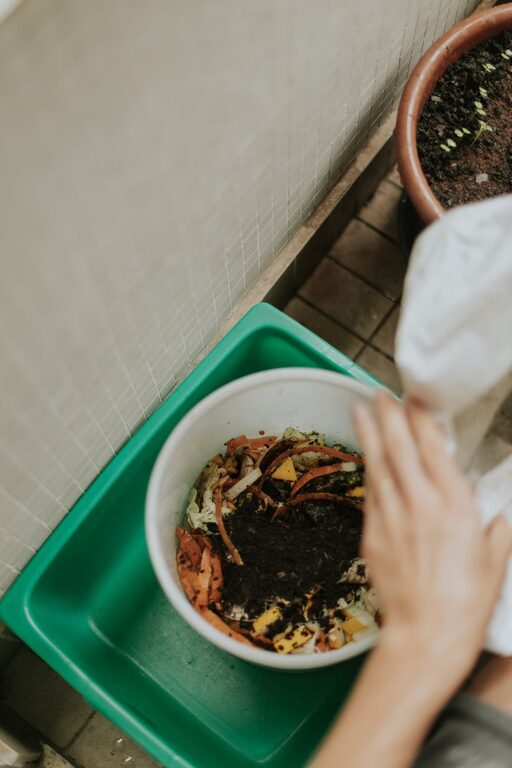
– Collect kitchen scraps in a small container with a lid or a compost pail to make adding to your compost easier.
– Chop or shred larger materials to speed up decomposition.
– Be patient! Composting is a natural process that takes time.
– Use finished compost to enrich garden beds, potting soil, or around trees.
Conclusion
Starting composting at home is a rewarding way to reduce waste and create nutrient-rich soil for your plants. With some simple planning and maintenance, anyone can make composting a part of their routine. Remember to balance your greens and browns, keep the pile moist and aerated, and enjoy watching your kitchen and garden scraps transform into black gold for your garden. Happy composting!
About the Author