
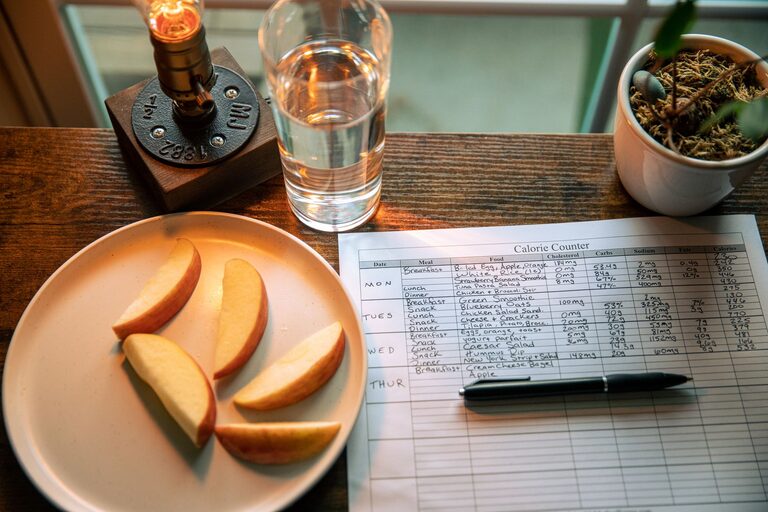
Planning balanced meals doesn’t have to be overwhelming or stressful. With a few easy strategies, you can make healthy eating a natural part of your daily routine. This guide will walk you through practical steps to plan nutritious meals that are enjoyable and simple to prepare.
What Does a Balanced Meal Mean?
A balanced meal typically includes a good mix of macronutrients: carbohydrates, proteins, and fats, along with vitamins and minerals from fruits and vegetables. The goal is to provide your body with the nutrients it needs to function well, maintain energy, and support overall health.
Basic Components of a Balanced Meal
– Proteins: Meat, poultry, fish, beans, nuts, seeds, or plant-based alternatives.
– Carbohydrates: Whole grains like brown rice, quinoa, oats, or starchy vegetables.
– Healthy Fats: Avocado, nuts, olive oil, or fatty fish.
– Vegetables and Fruits: Fresh, frozen, or canned options to add fiber, vitamins, and minerals.
– Hydration: Water or other low-sugar beverages.
Step 1: Start with a Simple Plan
Begin by planning meals for a few days instead of aiming for a full week. This approach feels less intimidating and helps you build confidence.
– Choose 3 to 4 different proteins you enjoy.
– Pick 2 to 3 carbohydrates you like.
– Select a variety of vegetables and fruits.
– Find 1 or 2 healthy fats to incorporate.
By rotating these ingredients, you create different meals without getting bored.
Step 2: Keep Portions in Mind
Balancing meals isn’t only about what you eat, but also how much. Use your plate as a visual guide:
– Half the plate with vegetables and fruits.
– One-quarter with protein.
– One-quarter with carbohydrates.
– Add a small amount of healthy fats.
This simple “plate method” helps you avoid overthinking portion sizes.
Step 3: Plan Ahead with Meal Prep
Setting aside time each week for meal prep can simplify busy days and reduce stress around mealtimes.
– Chop vegetables in advance.
– Cook grains or proteins in batches.
– Store pre-portioned ingredients or full meals in containers.
Meal prep saves time, encourages healthier choices, and minimizes last-minute cooking pressure.
Step 4: Use Simple Recipes
Choose recipes with a few ingredients and straightforward instructions. This keeps preparation manageable and enjoyable.
– Stir-fries, one-pan dishes, and sheet pan meals are efficient.
– Salads with pre-cooked protein and mixed greens are quick options.
– Soups and stews can be made in large quantities and reheated.
Step 5: Listen to Your Body’s Needs
Balanced eating is flexible, so adapt your meals to your hunger and activity levels.
– Eat when hungry, stop when satisfied.
– Include snacks if needed, like nuts or fruit.
– Drink water throughout the day.
This approach reduces the pressure to eat perfectly every time.
Step 6: Keep a Well-Stocked Pantry
Having staple ingredients on hand makes it easier to plan and prepare balanced meals.
Pantry Essentials
– Whole grains (brown rice, quinoa, whole wheat pasta)
– Canned beans or lentils
– Olive oil or other healthy oils
– Spices and herbs for flavor
– Nuts, seeds, and nut butters
– Frozen vegetables and fruits
Step 7: Stay Flexible and Forgiving
Remember, planning balanced meals is about progress, not perfection.
– It’s okay to eat out occasionally or have a treat.
– If one meal isn’t perfectly balanced, make the next one count.
– Keep learning and experimenting with new foods and recipes.
Sample Balanced Meal Ideas
– Grilled chicken with quinoa and steamed broccoli, drizzled with olive oil.
– Vegetable stir-fry with tofu and brown rice.
– Baked salmon with roasted sweet potatoes and a side salad.
– Lentil soup with a slice of whole grain bread and fruit.
– Omelet with spinach, tomatoes, and whole wheat toast.
Final Thoughts
Planning balanced meals doesn’t need to cause stress. By keeping things simple, focusing on key food groups, prepping in advance, and being kind to yourself, you can enjoy nutritious, satisfying meals every day. Start small, stay consistent, and celebrate your healthy choices along the way!
About the Author