
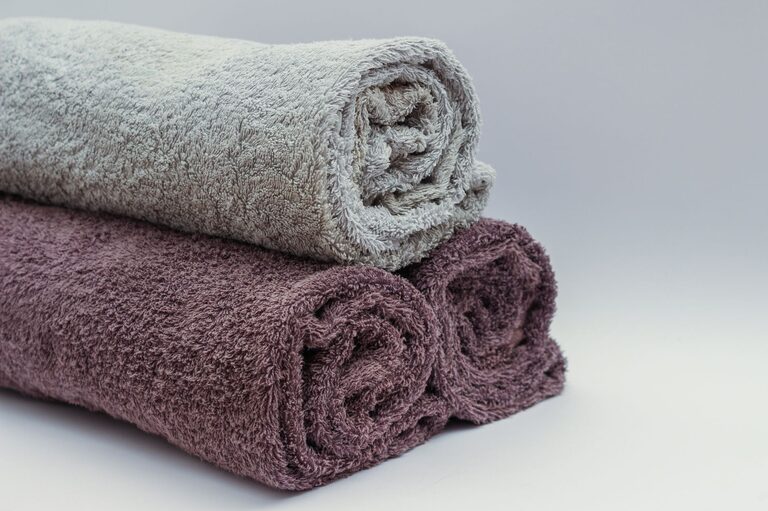
Towels are an essential part of our daily routine, whether after a shower, washing hands, or heading to the beach. However, over time, towels can lose their softness, become rough, or develop unpleasant odors. Keeping your towels fresh and fluffy not only enhances your comfort but also helps prolong their lifespan. In this blog post, we’ll explore practical tips and best practices to maintain your towels in top condition.
Why Do Towels Lose Their Freshness and Softness?
Before exploring the tips, it’s helpful to understand why towels can become less fluffy or start to smell:
– Residue buildup: Detergent and fabric softener residues can accumulate, making towels stiff.
– Hard water: Minerals in hard water affect towel fibers, reducing softness.
– Over-drying: Excessive heat can damage fibers, leading to roughness.
– Improper washing: Washing towels with heavy or lint-shedding items can cause damage.
– Poor drying methods: Towels kept damp or not fully dried can develop mildew smells.
Understanding these causes will help you avoid common mistakes and keep your towels fresh longer.
Washing Towels for Maximum Freshness
1. Use the Right Amount of Detergent
More detergent doesn’t always mean cleaner towels. Using too much can leave residues that trap odors and make the fabric stiff. Follow the detergent instructions and consider using less if your water is soft. For hard water areas, a detergent with water softening agents can be helpful.
2. Skip the Fabric Softener
While fabric softeners may seem like they would help with softness, they actually coat towel fibers, reducing absorbency and fluffiness over time. Instead, try alternatives such as using white vinegar during the rinse cycle to naturally soften towels and remove residues.
3. Wash Towels Separately
To prevent lint transfer and avoid damage, wash towels separately from clothes, especially those with zippers or hooks. Washing towels with similar fabrics and colors will keep them looking fresh and intact.
4. Choose the Right Water Temperature
Most towels wash well in warm water, which helps eliminate bacteria and loosen dirt. However, check your towel care label first. For white or very dirty towels, hot water is effective, but avoid hot water for colored towels as it may fade colors.
5. Add Vinegar or Baking Soda Occasionally
Adding half a cup of white vinegar or a quarter cup of baking soda to the wash cycle can break down detergent residue and deodorize towels. Avoid using both together at once. Use these treatments once a month or as needed.
Drying Towels for Fluffiness
1. Shake Towels Before Drying
Give your towels a good shake to help fluff the fibers before placing them in the dryer or hanging them. This simple step can improve softness.
2. Use Dryer Balls or Clean Tennis Balls
Dryer balls or clean tennis balls in the dryer help separate towel fibers, preventing clumping and enhancing fluffiness. They also speed up drying time, saving energy.
3. Avoid Overdrying
While towels need to be completely dry to avoid mildew, overdrying can damage fibers and make towels feel rough. Use a medium heat setting and remove towels while still slightly damp if possible, then air dry to finish.
4. Sun-Dry When Possible
Sunlight naturally disinfects and freshens towels, but prolonged exposure can fade colors. If you sun-dry, limit exposure time or dry colored towels in a shaded outdoor area.
5. Avoid Hanging Towels Folded or in a Pile
Hanging towels in a loose, spread-out manner helps them dry thoroughly and prevents mildew smells. Avoid folding wet towels or leaving them in a heap.
Additional Tips to Maintain Towels
1. Wash Towels Regularly
Use towels for about three to four uses before washing. Frequent washing prevents bacteria buildup and odors.
2. Store Towels in a Dry Place
Ensure towels are fully dry before storing and keep them in a well-ventilated, dry area. Avoid storing them in damp bathrooms or sealed plastic bags.
3. Replace Towels When Needed
Even with good care, towels eventually wear out. Replace towels that have lost their absorbency, have persistent odors, or show signs of thinning.
4. Choose Quality Towels
Invest in towels made from high-quality cotton, such as Egyptian or Turkish cotton, for better softness and durability. Thicker towels with higher GSM (grams per square meter) tend to be fluffier.
—
Keeping towels fresh and fluffy is easier than you might think. With the right washing and drying habits, you can enjoy soft, pleasant towels every day. Try these tips and discover how a small change in your laundry routine can make a big difference!
About the Author